⚡ 24/7 Emergency Response — Call Now: 833-220-CCRS
Storm & Water Damage First Responders

Your Property
Took Damage.
We Stabilize It Fast.

When water, storm, or fire damage hits your home, every hour matters. We deploy extraction, containment, moisture mapping, and drying protocols designed to stabilize your property quickly — and we coordinate reconstruction through the same licensed team, start to finish.

Or request a callback below ↓

Request a Free Assessment

We'll call you back — usually within the hour.

By submitting, you agree CCRS may call or text you about your request. Message rates may apply.

No spam. Your info is used only to respond to your request.

IICRC Certified (WRT / ASD / FSRT / AMRT)
Licensed GC — CL.77488
24 / 7 Emergency Response
Mitigation & Full Reconstruction
SE Louisiana & Kansas City
24/7
Emergency response,
every day of the year
Daily
Moisture monitoring until
dry goal achieved
IICRC-Certified Team
WRT / ASD / FSRT / AMRT
1
Company handles mitigation
and full reconstruction
Restoration Services

Secondary damage begins within hours. Mold within 24 to 72. The faster disciplined mitigation begins — extraction, containment, drying — the less total loss and the stronger your recovery. CCRS deploys certified crews with the right equipment and coordinates every phase under one roof.

Water Damage Restoration

Emergency water extraction, structural drying, and dehumidification using IICRC S500 protocols. We stop damage from spreading and document every moisture reading for your insurer.

Storm & Hurricane Damage

From roof intrusions and wind-driven rain to post-hurricane flooding, we're experienced in the loss patterns specific to Gulf Coast and Midwest storm events.

Fire & Smoke Damage

Soot removal, odor neutralization, and structural restoration after fire events. We handle the full scope — from initial board-up to final finish-out.

Mold Remediation

AMRT-certified mold remediation. We identify moisture conditions, contain affected areas, remove impacted materials, and coordinate clearance where required — not just cover it up.

Mitigation Through
Reconstruction

Most restoration companies stop at mitigation and hand you off to a separate GC. CCRS carries scope from emergency response through final finish-out — under one contract, one point of contact, one continuous project record.

Phase 1

Emergency Mitigation

Extraction, containment, moisture mapping, and IICRC-protocol drying. Stabilize the loss and stop secondary damage.

Phase 2

Controlled Demolition

Selective removal of unsalvageable materials under containment. Scope photographed and logged for insurance review.

Phase 3

Reconstruction

Licensed GC handles structural repair, finish materials, and final inspection. Your home is restored to pre-loss condition.

Throughout

Scope Coordination

Insurance scope, change orders, and adjuster communication managed from the same team that ran mitigation. No translation loss between phases.

Two Markets.
One Standard of Work.

CCRS operates in two weather-exposed markets where disciplined mitigation and technical execution matter. We know local conditions, local carriers, and what it takes to stabilize and restore after a major loss.

Southeast Louisiana

New Orleans & Surrounding Parishes

Hurricane, tropical storm, and flood damage. We understand the unique challenges of Louisiana's climate — from slab moisture issues to post-storm insurance disputes. Serving Orleans, Jefferson, St. Tammany, and surrounding parishes.

Kansas City Metro

Kansas & Missouri

Frozen pipe bursts, winter flooding, and severe Midwest storm damage. We serve the KC metro across both sides of the state line, with experience in the region's common winter and spring loss events.

Beyond Residential

CCRS has supported complex loss recovery across property types that demand technical precision, tight scope control, and coordinated project execution.

Municipal Facilities
Hospitality
Multi-Family
Historic Properties
Educational
Commercial Portfolios

Our team has supported large-scale catastrophe recovery operations across the Gulf Coast, including government and institutional deployments. That operational depth carries into every residential job we take.

What Sets Us Apart
01

IICRC Certified Technicians

IICRC-certified team trained across WRT, ASD, FSRT, and AMRT disciplines. Credentials are current and active — not just a company certificate on the wall.

02

Direct Reconstruction Coordination

Mitigation and rebuild under one licensed GC. No handoff delays, no scope gaps, no second contractor learning your project from scratch mid-stream.

03

Licensed General Contractor

We handle mitigation and reconstruction under one roof. No handoff delays, no coordination gaps between your restorer and your GC.

04

Technical Drying Standards

Every drying project follows IICRC S500 protocol. Moisture readings logged daily, equipment adjusted to conditions, and structural materials verified dry before we demobilize.

05

Large-Scale Catastrophe Experience

Our team has supported large-scale disaster recovery operations across the Gulf Coast — including government and institutional deployments. That experience shows up in every residential job we take.

How We Work

A disciplined response sequence — from first call to completed restoration.

1
Emergency Call

24/7 triage. Active water intrusion prioritized. Text photos to the same number.

2
Crew Dispatched

Certified technicians mobilized with extraction, drying, and containment equipment.

3
Moisture Mapping

Full moisture mapping and pre-demolition assessment before any material is touched.

4
Containment & Drying

Containment barriers set. Industrial drying and dehumidification deployed per IICRC S500.

5
Daily Monitoring

Moisture readings logged daily. Equipment adjusted to ambient conditions. Drying verified to standard.

6
Reconstruction

Licensed GC on staff. Mitigation and rebuild coordinated under one contract — no handoff gaps.

Insurance Documentation Support

We maintain detailed photo logs, moisture records, equipment logs, and supporting documentation commonly requested during the insurance claim process. This documentation is organized, date-stamped, and available to you and your adjuster throughout the project.

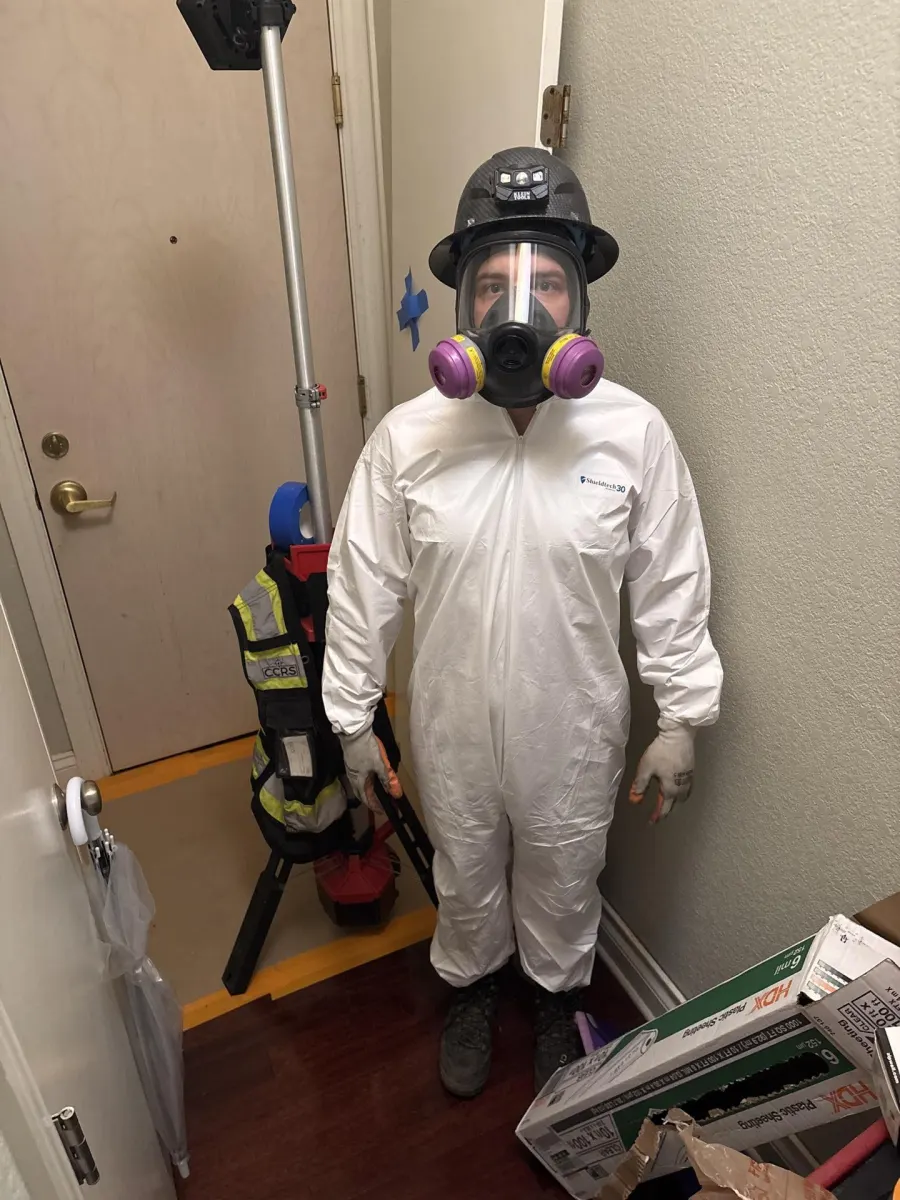
CCRS certified technician in full PPE — Tyvek suit, full-face respirator, hard hat — ready for mold remediation deployment
IICRC Certified Crew
Equipped.
Certified.
Ready.

Every CCRS deployment arrives with the right equipment, the right credentials, and a crew that knows what they're walking into. No subcontractors learning on your job. No shortcuts on containment or PPE protocol.

Full Containment Protocol

Negative air pressure, poly barriers, and decontamination zones established before any remediation begins.

24/7 Emergency Deployment

Equipment staged and crew ready. We don't schedule water damage for next Tuesday.

IICRC: WRT / ASD / FSRT / AMRT

Certifications are active and current across the team — water, structural drying, fire/smoke, and mold disciplines.
Before We Arrive

A few steps you can take right now to protect yourself and preserve your claim.

🚰

Shut Off the Water

If you can safely access the shutoff, stop the source. Do not enter rooms with standing water near electrical panels.

Avoid Electrical Hazards

Stay out of standing water near outlets, panels, or appliances. If in doubt, cut power at the breaker before entering.

📸

Take Photos First

Document everything before moving or removing anything. Your phone camera is sufficient. Date-stamped photos support your claim.

🚫

Don't Remove Damaged Material

Do not tear out flooring, drywall, or insulation before an assessment. Premature removal can complicate or reduce your claim.

📋

Notify Your Insurer

Many policies require prompt notice of loss. Call your carrier or agent as soon as it is safe to do so. We can assist with documentation from day one.

FAQ
How fast can you respond?

We maintain 24/7 emergency availability. Active water intrusion and life-safety situations are prioritized. Call 833-220-CCRS for immediate triage — or text photos to the same number and we'll respond within minutes.

Do you work with insurance companies?

Yes. We maintain detailed photo logs, moisture records, equipment logs, and supporting documentation commonly requested during the claims process. We work within your policy framework and coordinate directly with adjusters where needed. We are not a public adjuster and do not represent you in a claims dispute — but our documentation is built to support your recovery.

How long does structural drying take?

Standard structural drying under IICRC S500 protocols typically takes 3 to 5 days, depending on material types, extent of saturation, and ambient conditions. We monitor daily, log moisture readings, and adjust equipment accordingly. Your adjuster receives the complete drying record.

Should I file a claim immediately?

Most property policies require prompt notice of loss. Notify your carrier or agent as soon as it is safe to do so. Document damage with photos before any cleanup. We can assist with that documentation from day one — call us before you start moving anything.

Is mold dangerous after water damage?

Mold can begin developing within 24 to 72 hours under the right temperature and humidity conditions. Early mitigation — extraction, drying, and dehumidification — significantly reduces risk. If mold is already present, our AMRT-certified team handles full remediation and coordinates clearance testing where required.

Can you handle commercial or large-loss work?

Yes. In addition to residential restoration, CCRS has experience with complex commercial losses including municipal facilities, hospitality, multi-family, historic properties, and commercial portfolios. Contact us to discuss large-loss or institutional scope.

The Work Speaks
for Itself

Two representative loss events — scope, scale, and the CCRS response. Every job documented from first contact through final clearance.

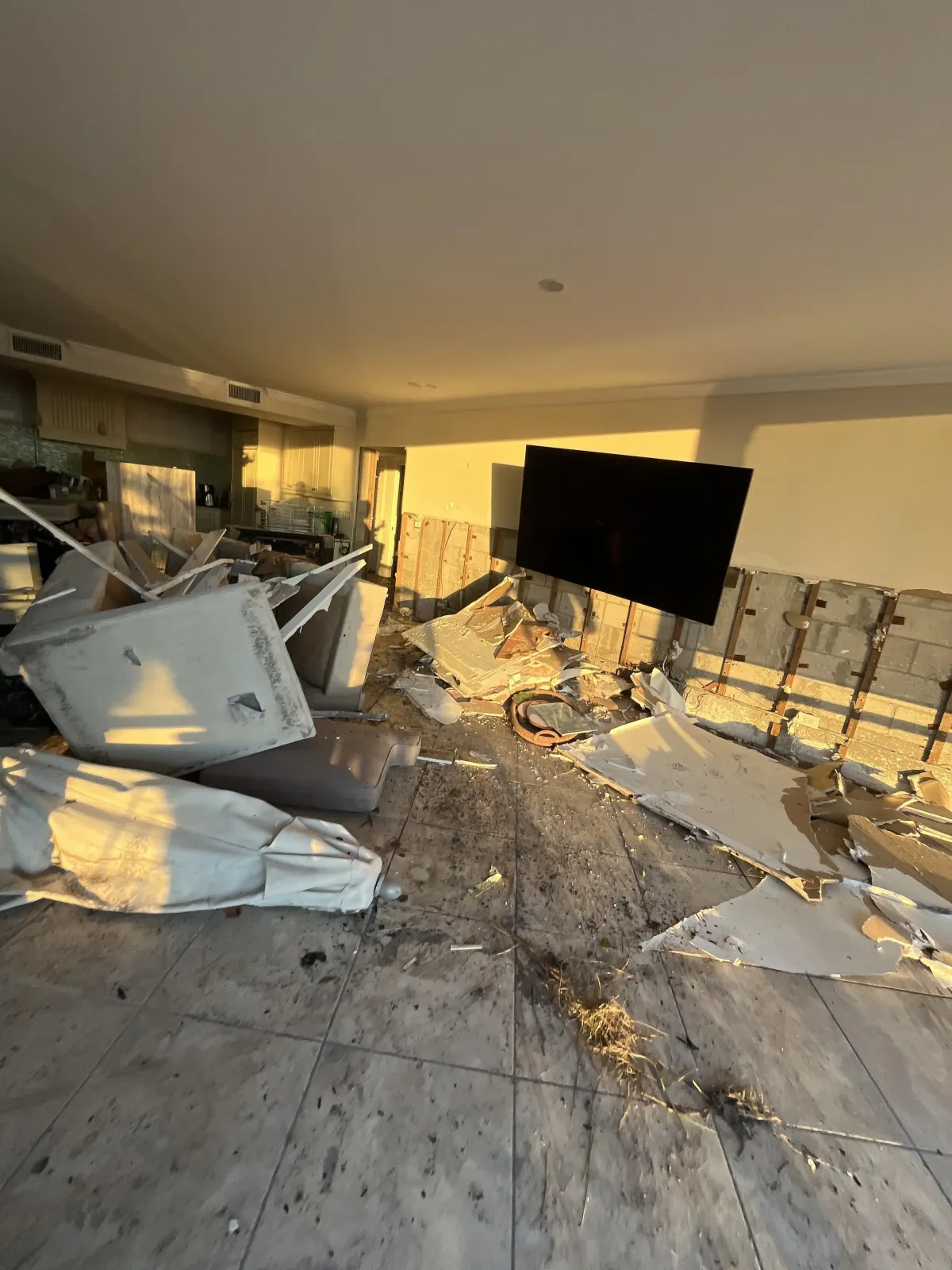
Before Storm loss interior — catastrophic structural damage, demolished drywall, debris field, walls stripped to CMU block
Total interior loss — storm intrusion, structural demo, debris field across full living area
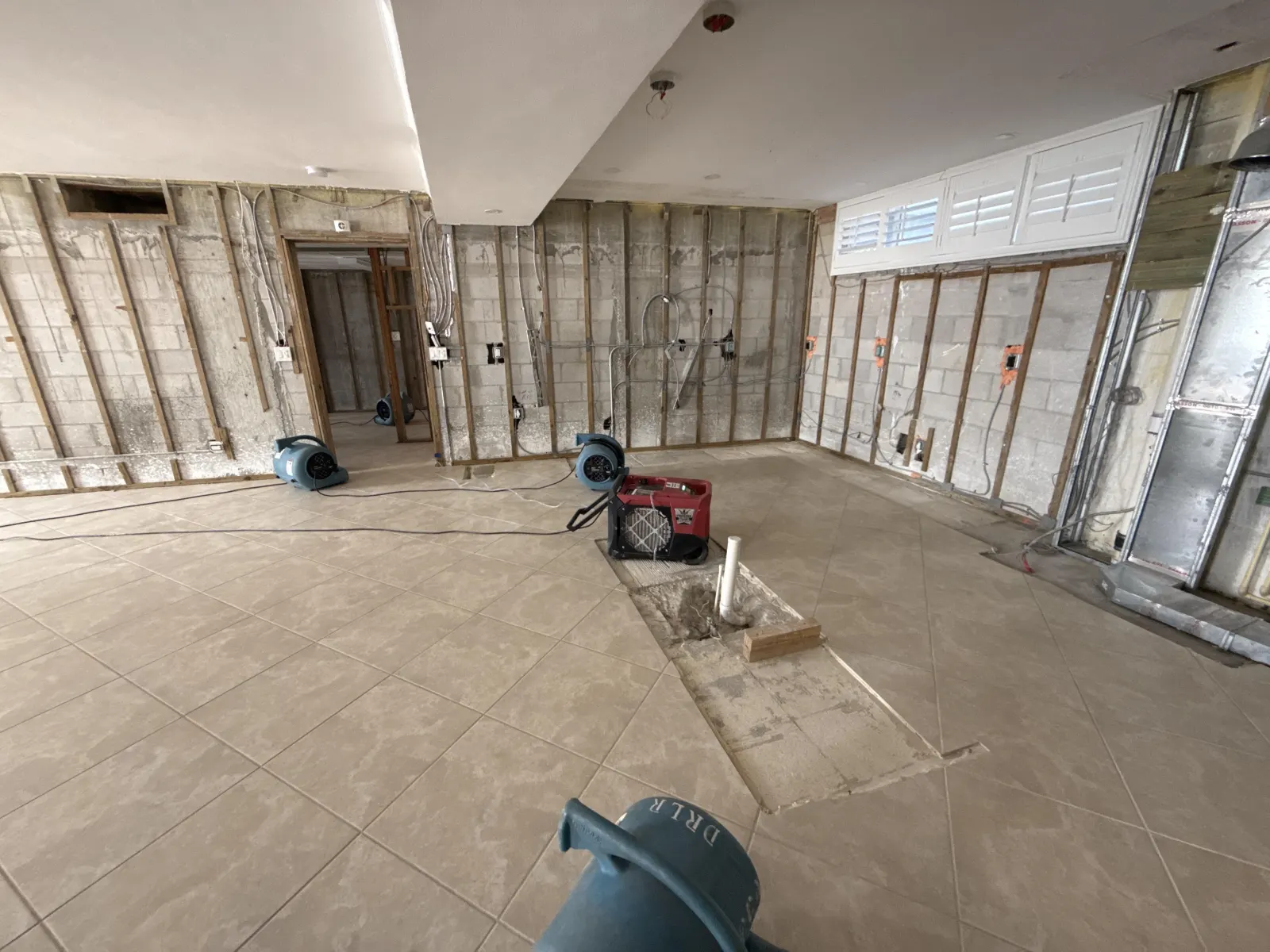
After Mitigation Same space after CCRS mitigation — air movers and dehumidifiers deployed, walls stripped clean, drying protocol active
Controlled demolition complete — air movers and dehumidification deployed, drying protocol active per IICRC S500
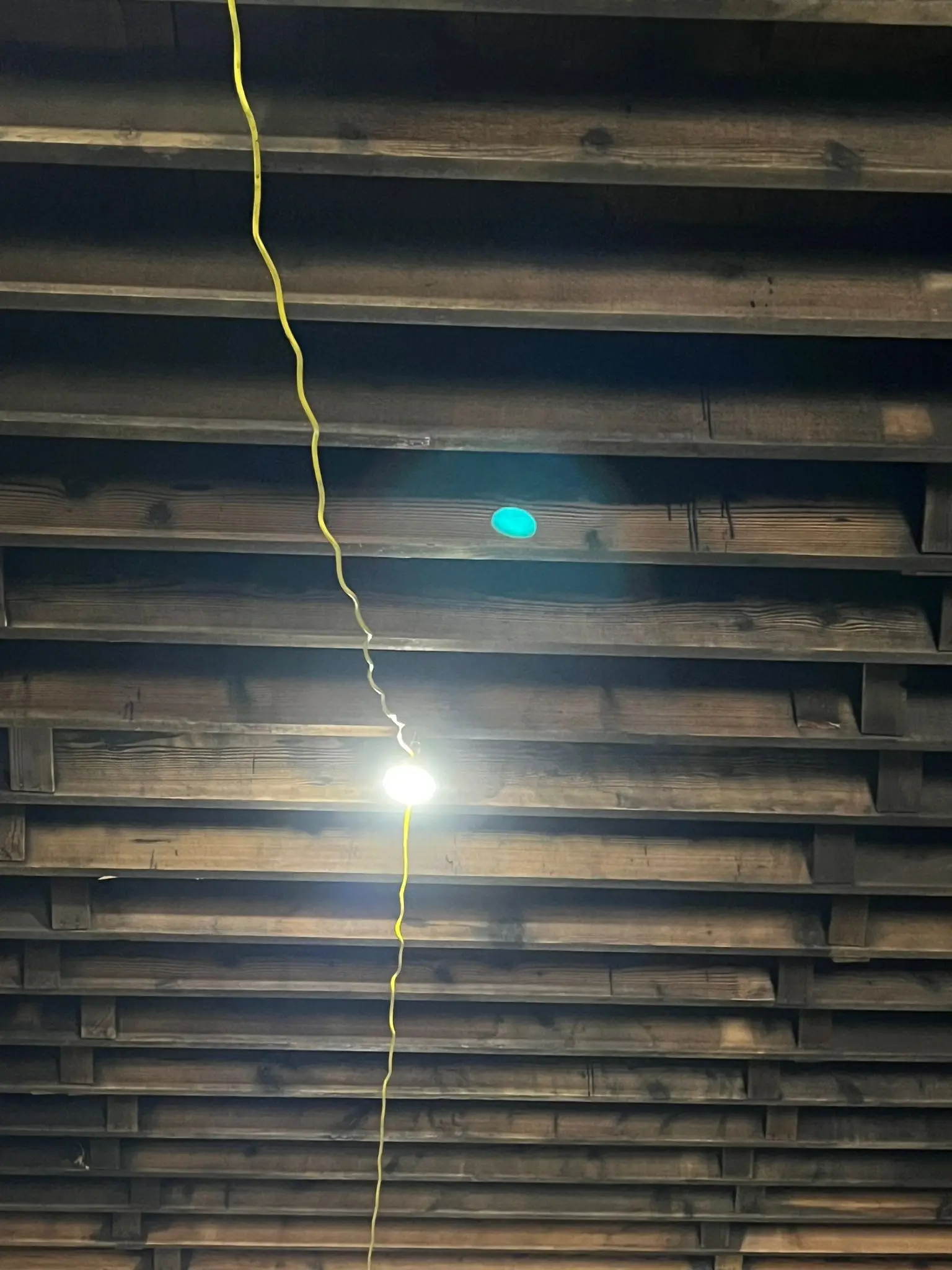
Before Fire-damaged roof structure — exposed rafters, moisture probe and work light deployed for assessment
Roof structure after fire event — moisture mapping and structural assessment, work lighting deployed in void space
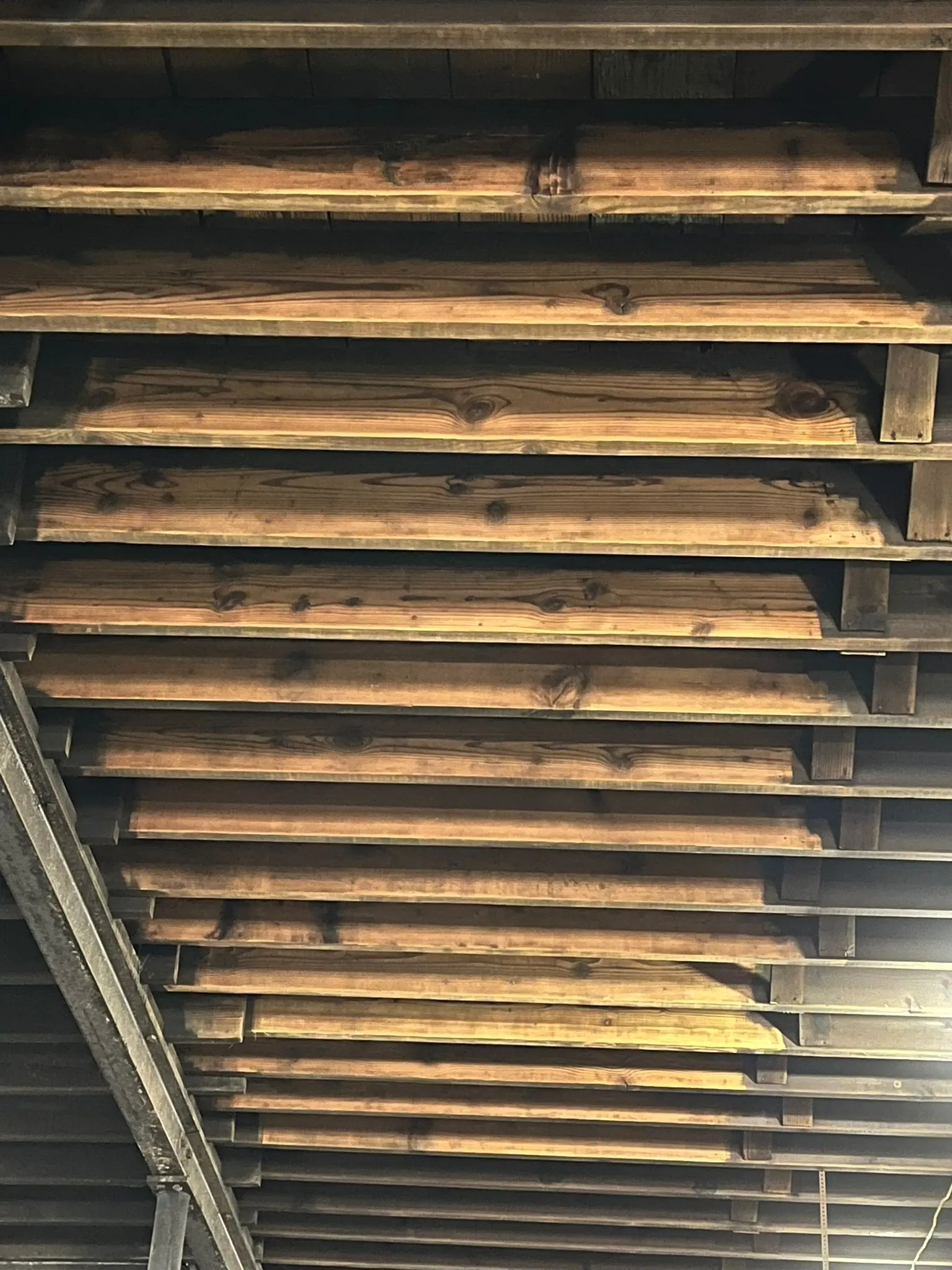
After Detailed view of fire and smoke damaged roof decking — scorched boards documented for insurance scope
Fire and smoke damage to roof decking — full photographic record completed, scope documented for carrier review
When the First Remediation Fails,
the Second One Has to Be Right

A complex fire loss in Kansas City required CCRS to take over a failed remediation, execute a technically intensive multi-phase protocol, and produce documentation that held up under carrier scrutiny from start to finish.

Location
Kansas City, MO
Loss Type
Fire · Smoke · Water
Affected Area
12,000+ sq ft of assemblies
Outcome
IH Clearance — Passed

The Problem

A residential fire at a Kansas City property produced a layered loss: direct fire damage, smoke and soot contamination throughout the structure, and secondary water damage from fire suppression. The property is a multi-level residence with basement, main level, upper level, and attic systems.

Remediation had already been attempted by another contractor before CCRS was retained. That scope failed to adequately contain or eliminate contamination — leaving the structure in a worse position, with prior cleaning activity that had to be evaluated, documented, and in some areas, redone.

CCRS was brought in to take control of the project and execute a protocol-compliant remediation plan that would pass independent Industrial Hygienist verification.

A Mid-Project Complication

The project was governed by a remediation protocol issued by EFI Global. After CCRS had completed cleaning activities under the original January 2024 protocol, EFI revised the scope — requiring full demolition of the upper level, including assemblies CCRS had already cleaned.

That meant demolishing previously cleaned materials, executing a second full round of structural cleaning across the upper level, main floor, and attic, and resequencing the entire workflow without compromising work already completed below.

This is exactly the kind of mid-scope disruption that collapses projects without disciplined documentation and construction management. CCRS absorbed the revision and continued.

Remediation Protocol Executed

Containment construction with airlocks and decontamination chambers
HEPA-filtered negative air machines operated throughout
Selective demolition of contaminated drywall, insulation, flooring, and finishes
Repeated HEPA vacuuming cycles of all exposed structural framing
Peroxide-based chemical treatment with controlled dwell periods across 12,000+ sq ft of wall and ceiling assemblies
Second full decontamination cycle following protocol revision and upper-level re-demo
Attic decontamination and secondary attic cleaning after ceiling demolition
Full room-by-room documentation and carrier-readable Xactimate estimating throughout
Outcome
Post-remediation IH verification — passed
Full scope paid by carrier
Structure returned to habitable condition

The Result

Following completion of the full revised scope, the project passed post-remediation verification testing conducted by the retained Industrial Hygienist — the definitive measure of whether the work was done correctly.

The outcome required absorbing a mid-project protocol revision without scope collapse, maintaining documentation integrity across two full cleaning cycles, and producing a carrier-readable file that held under scrutiny. That is what CCRS is built to do.

From Demolition-by-Neglect Citation
to Certificate of Appropriateness

A fire-damaged historic multi-unit property on New Orleans’ St. Claude corridor — cited for demolition by neglect, carrying hoarding conditions and long-term structural deterioration — was fully rehabilitated, brought into historic compliance, and returned to productive use.

Location
New Orleans, LA
Structure Type
Historic Multi-Unit Residential
Starting Condition
DBN Citation · Fire · Hoarding
Compliance Achieved
COA Issued · Violations Cured
Tax Credit Program
HTC Compliant Rehabilitation

Starting Conditions

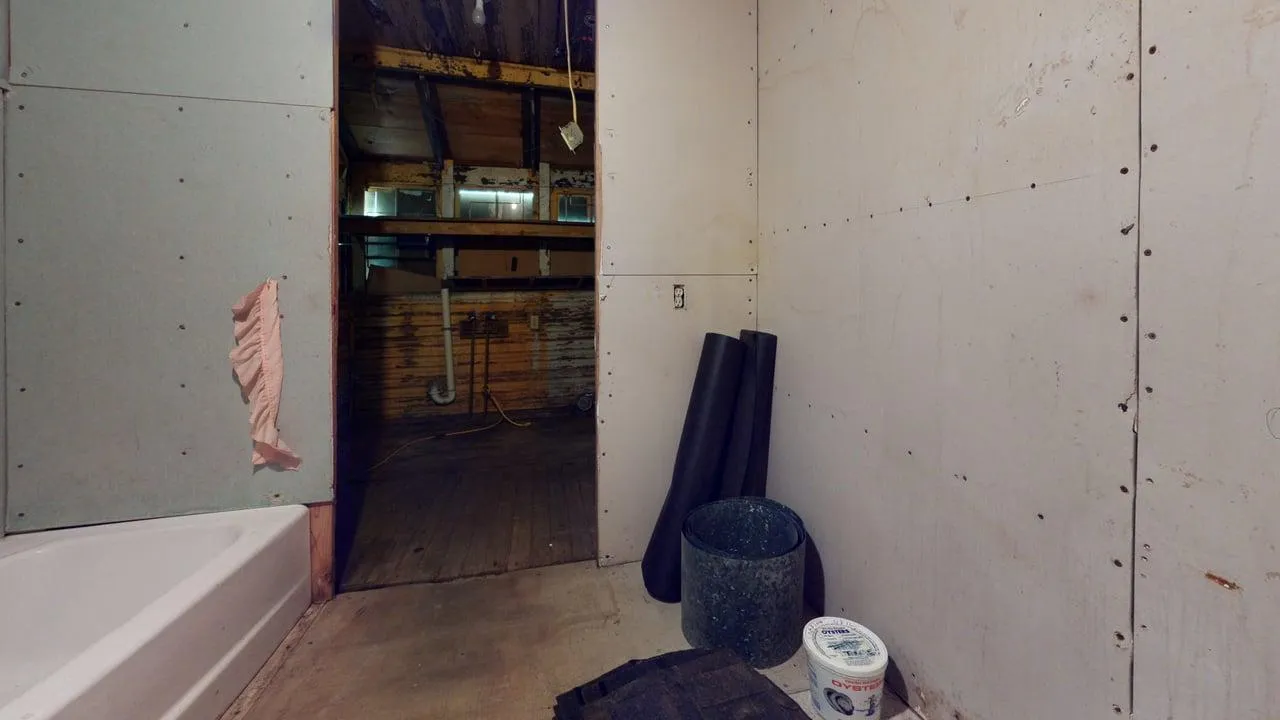
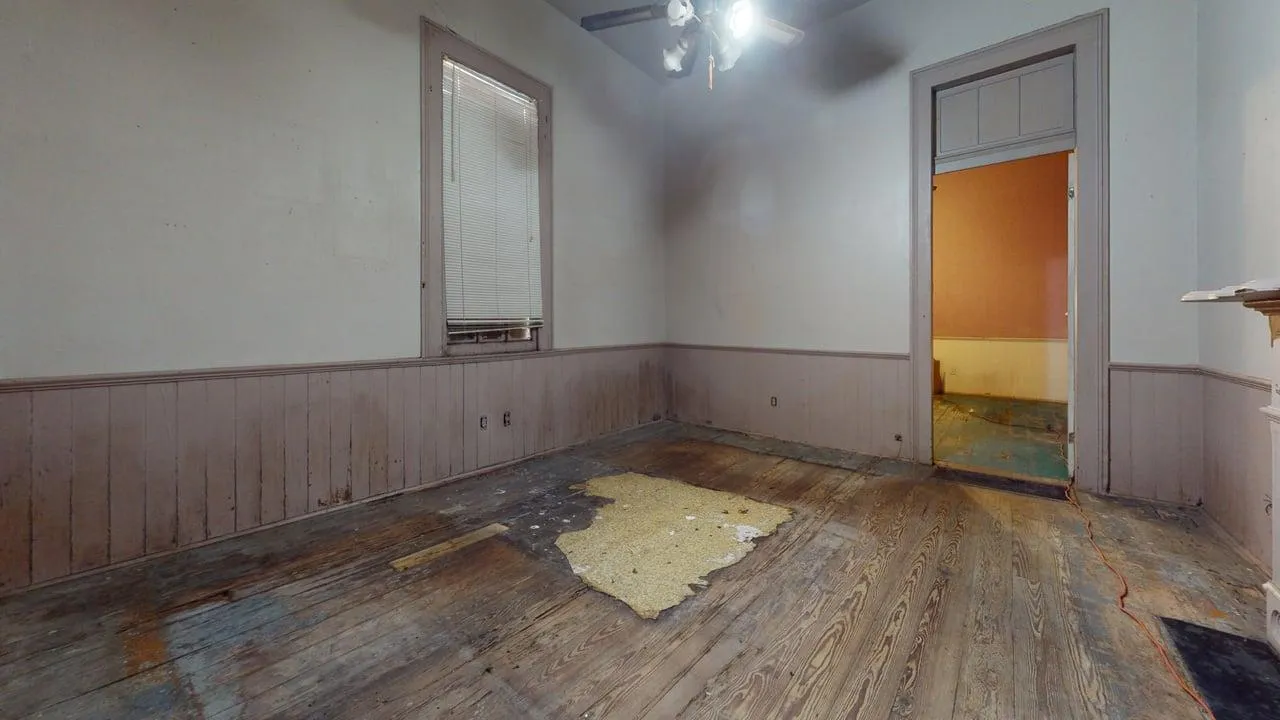
The property had sustained prior fire damage and accumulated years of deferred maintenance, hoarding-related contamination, and structural deterioration. Major portions of the building were unsafe and nonfunctional.

The New Orleans Historic District Landmarks Commission had cited the structure for demolition by neglect — documented conditions included deteriorated structural elements, failing foundation components, missing exterior assemblies, active water intrusion exposure, and unsafe openings throughout.

For most contractors, this is a pass. For CCRS, it was an acquisition.

The Core Challenge

Historic rehabilitation under HDLC oversight requires a precise balance: aggressive enough to cure cited deficiencies and structural failures, disciplined enough to preserve the architectural elements that define historic eligibility and trigger Historic Tax Credit qualification.

Overshooting on demolition kills the historic designation. Undershooting on remediation and structural work leaves the building non-compliant and the violations uncured. The margin for error is narrow.

CCRS managed both — as owner, general contractor, and remediation operator simultaneously.

Full-Scope Execution

Hoarding-condition cleanout and contaminated debris removal
Fire-damaged material demolition with historic fabric preservation
Structural stabilization, framing repair, and foundation rehabilitation
Moisture and environmental remediation throughout the structure
Full MEP replacement — mechanical, electrical, and plumbing systems
Exterior envelope restoration to historically compliant standards
HTC compliance management and documentation throughout
Permitting, HDLC coordination, and Certificate of Appropriateness process
Compliance Milestones
DBN citation cured
Certificate of Appropriateness issued
Certificate of Occupancy issued
Historic Tax Credits issued
Property returned to productive residential use

The Result

The St. Claude property was fully transformed — from a fire-damaged, hoarding-contaminated structure facing historic enforcement action into a stabilized, immaculately restored multi-unit historic residential asset.

This project reflects the intersection of capabilities that defines CCRS: remediation execution, structural construction, historic compliance management, and long-duration project oversight under severely distressed conditions. It is the kind of project most operators decline. We own it.

The Transformation

Select before and after photographs from the completed rehabilitation.

Full Structure Overview
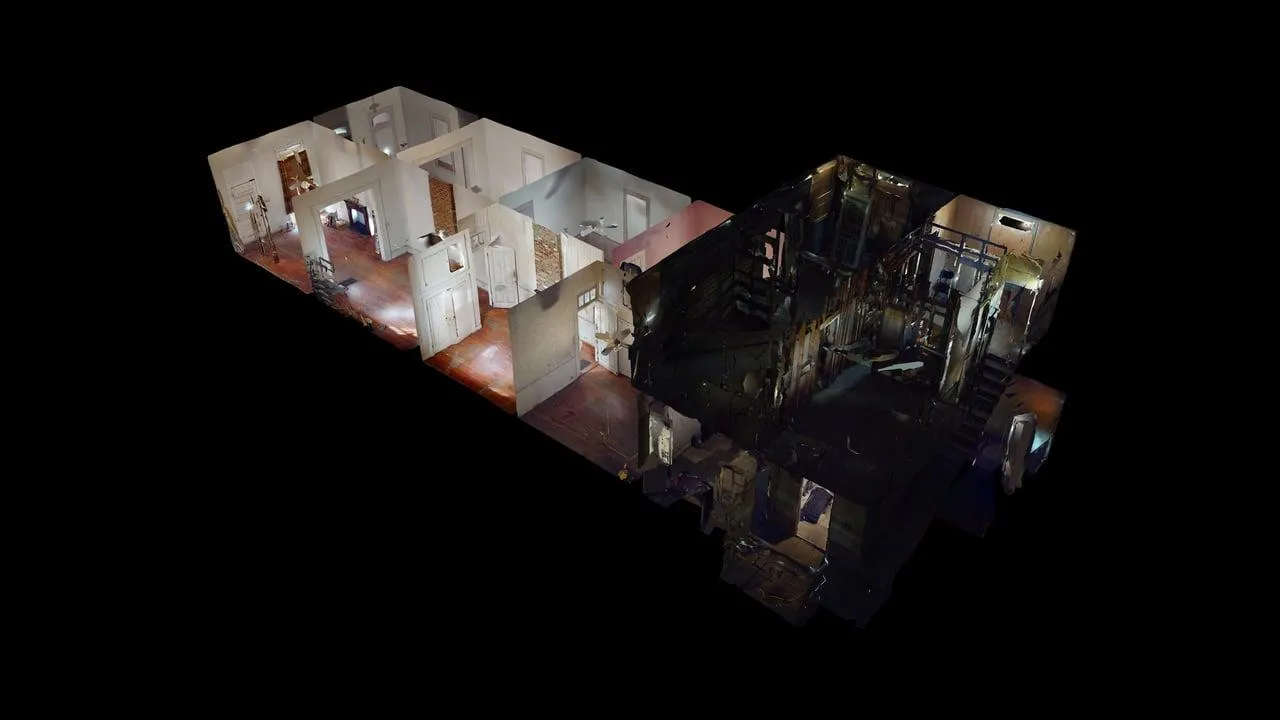
St. Claude multi-unit before rehabilitation — fire damage, structural deterioration, hoarding conditions Before
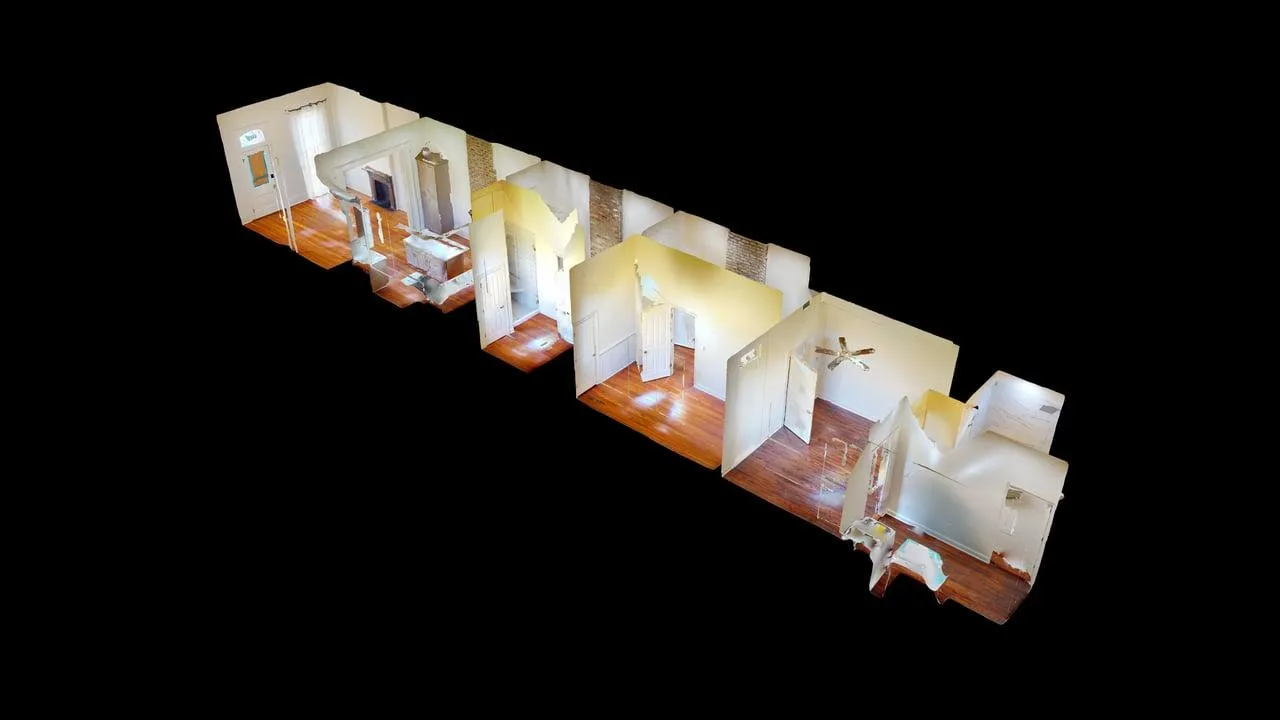
St. Claude multi-unit after full historic rehabilitation — structure stabilized and restored After
Structural overview — full multi-unit footprint, before and after rehabilitation
Living Area
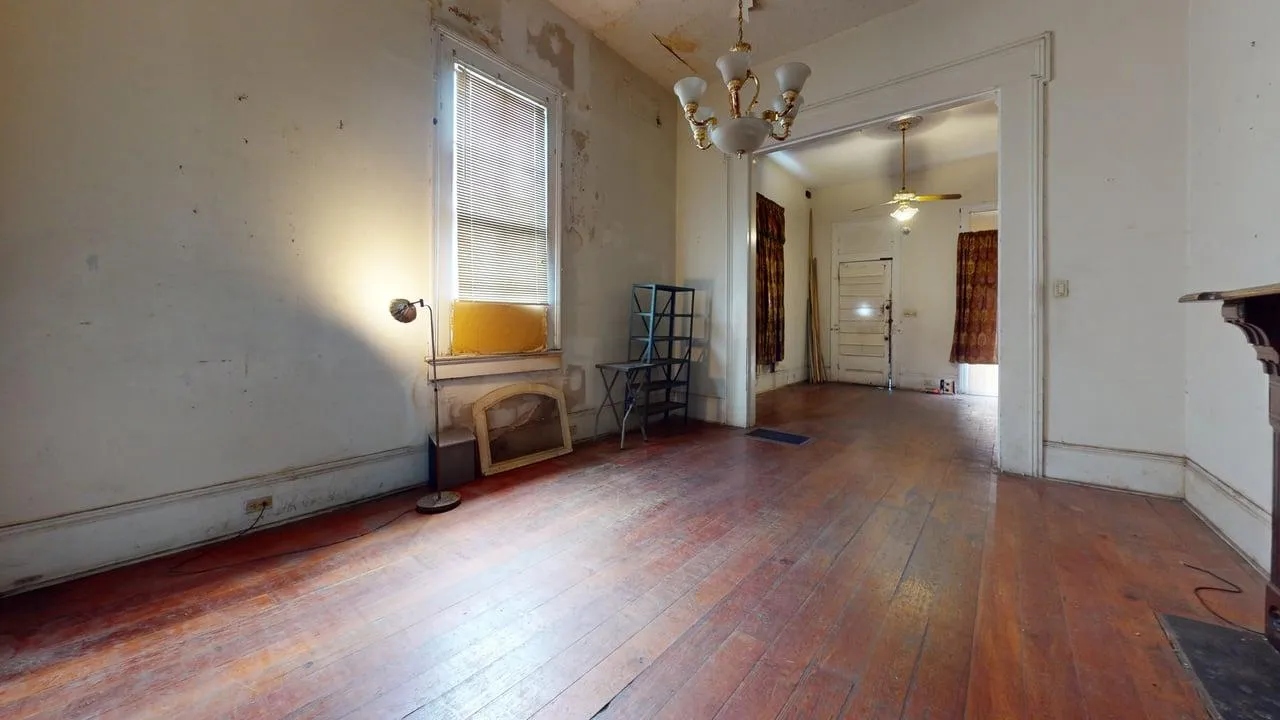
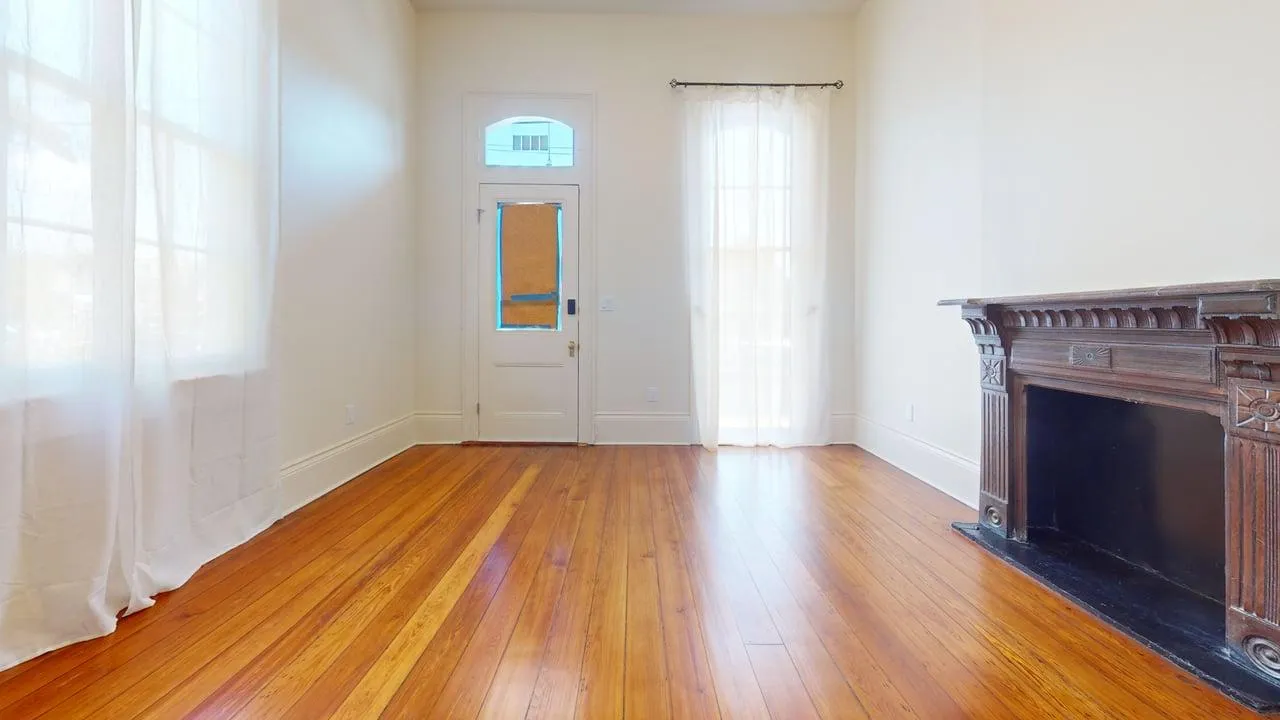
Living area before — hoarding conditions, contamination, deteriorated finishes Before
Living area after full rehabilitation — restored historic character, modern finishes After
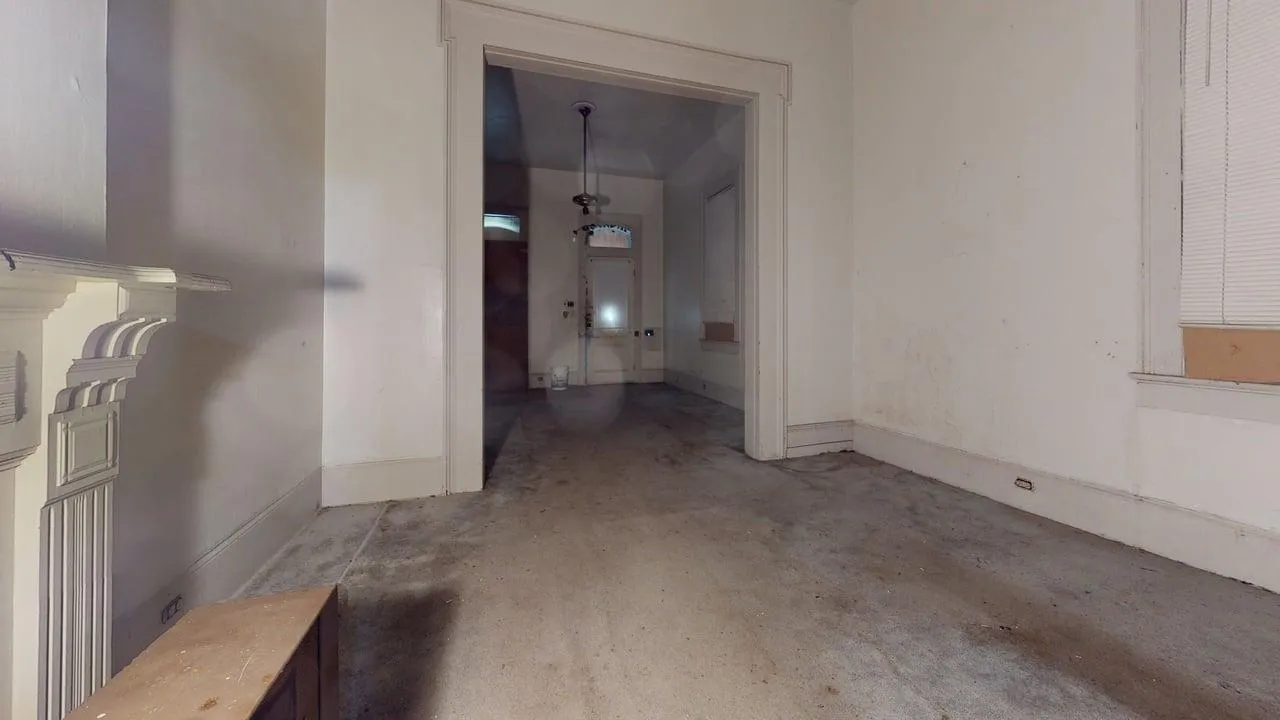
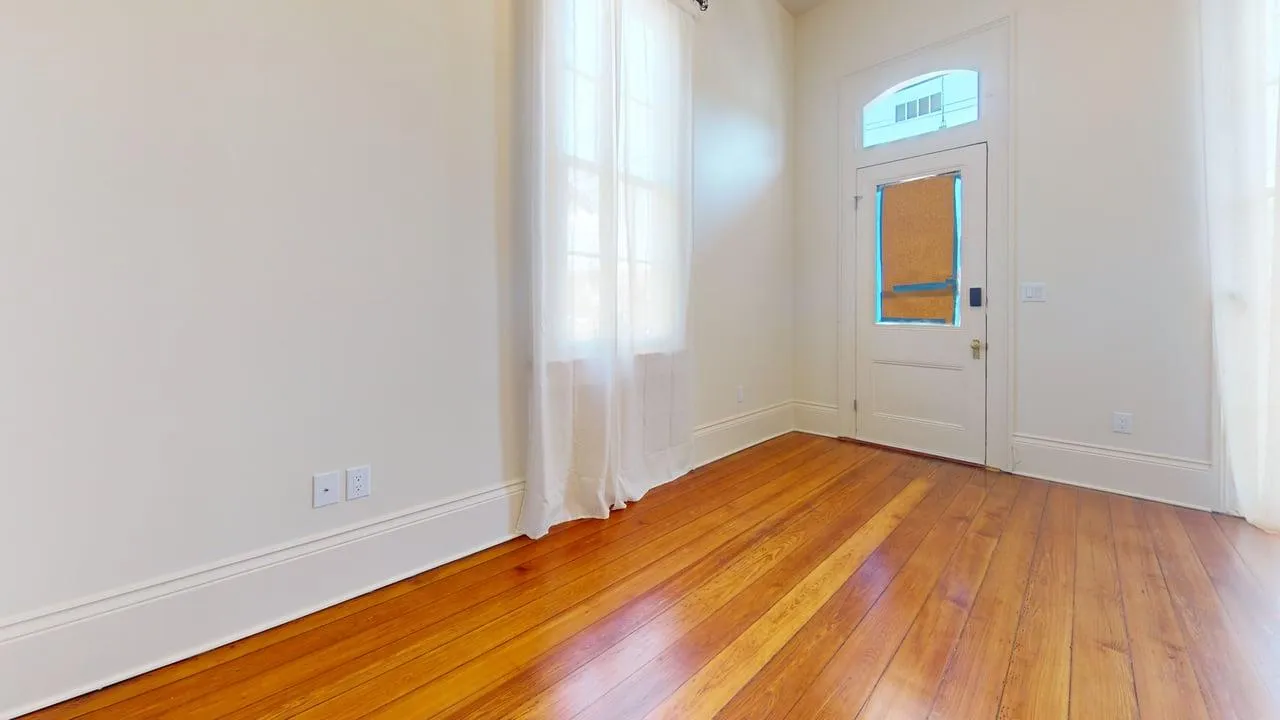
Living area secondary view before rehabilitation Before
Living area secondary view after rehabilitation After
Bathroom
Bathroom before — deteriorated fixtures, contamination, structural damage Before
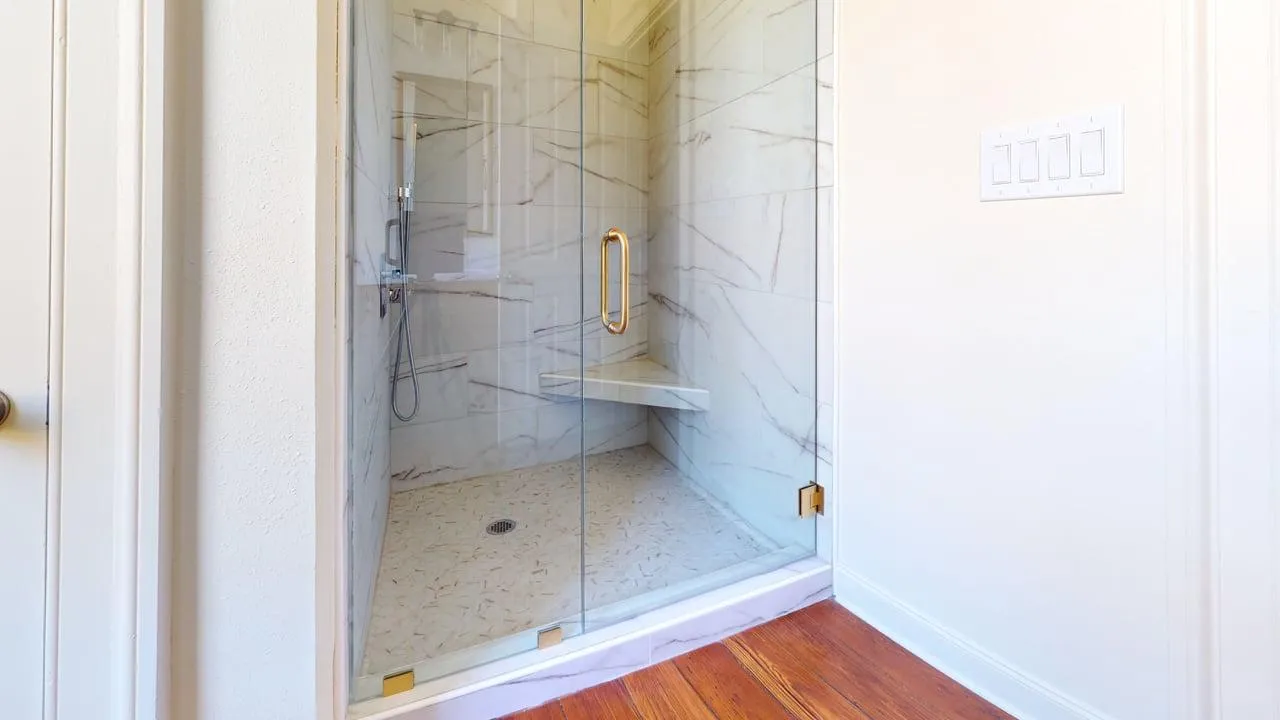
Bathroom after full rehabilitation — restored and modernized After
Bedroom
Bedroom before — fire damage, hoarding contamination, structural deterioration Before
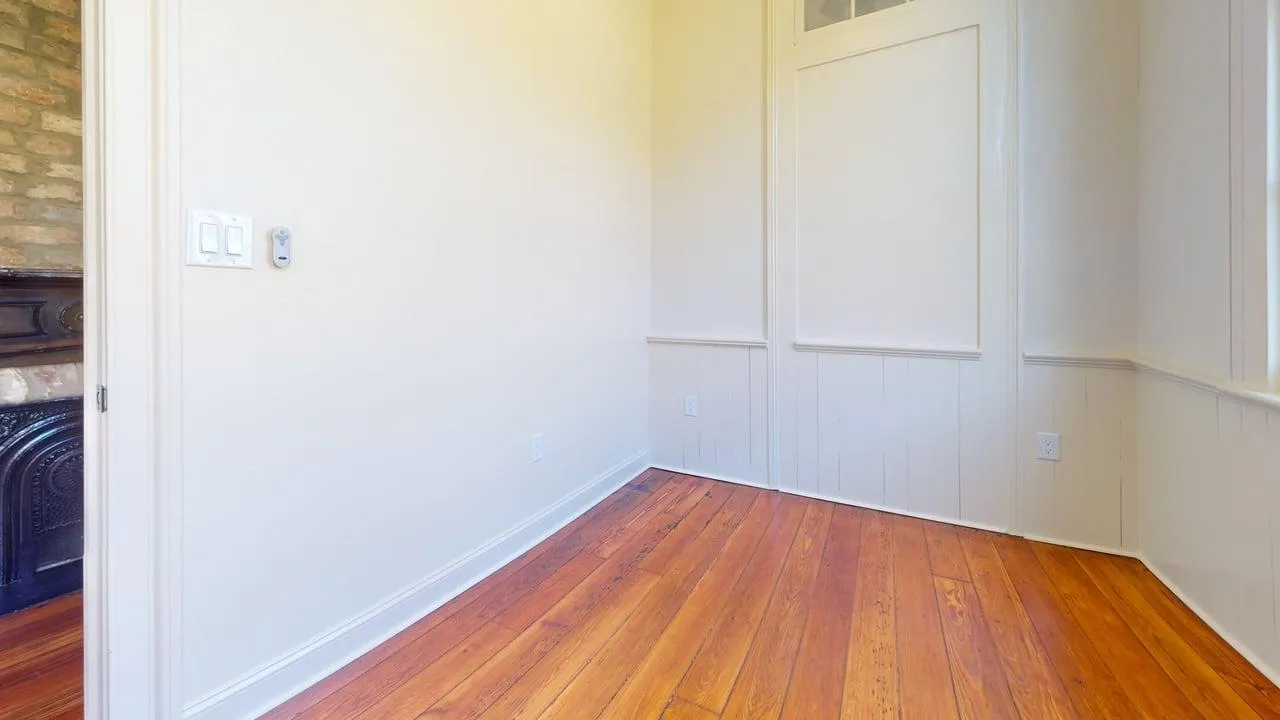
Bedroom after rehabilitation — fully restored to residential standard After
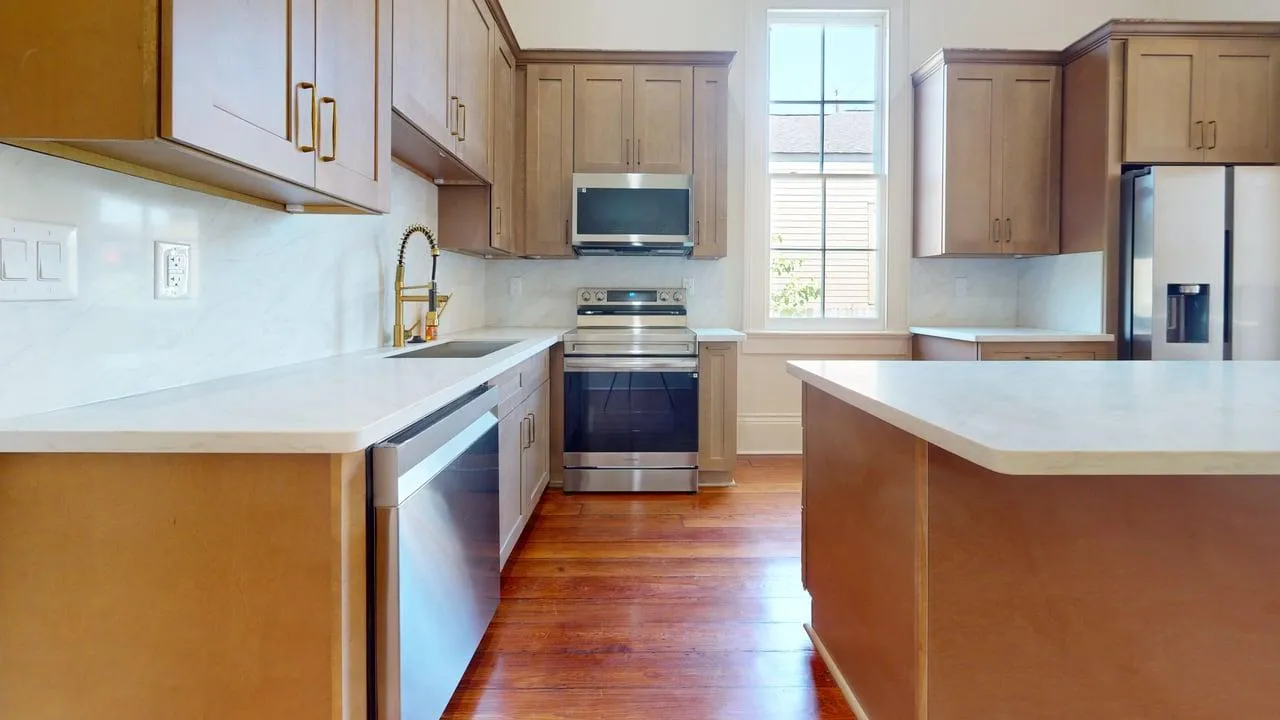
Kitchen — Completed
Completed kitchen — full historic rehabilitation, modern systems, restored finishes After
Completed kitchen — full MEP replacement, historically compliant finishes, modern residential standard

Damage Doesn't Wait.
Neither Do We.

Call now for 24/7 emergency response across Southeast Louisiana and the Kansas City metro.

833-220-CCRS
Call Now Text Photos